Selecting the right cone crusher isn’t just a technical decision, it’s a strategic one that can shape the efficiency and quality of an entire operation. Cone crushers are designed for precision, consistent product sizing and optimal shape, making them ideal for secondary or tertiary crushing stages, where the desired outcome is a finer material and a more cubical final product.
Selecting the correct piece of equipment for specific material characteristics, production requirements and site conditions can significantly improve overall productivity and reduce operating costs. With multiple chamber configurations, capacities and mobility options available, understanding the key factors that affect crusher performance is essential for making an informed equipment selection that delivers long-term value.
Define Your Crushing Stage and Desired Output
Before selecting a cone crusher, determine where it fits into the crushing circuit. If an operation requires high-quality aggregates for applications like concrete or road base, cone crushers offer the control and consistency needed to meet tight specifications. Their ability to deliver uniform shape and gradation makes them especially effective when product quality is a priority.
The required end product should also play a major role in the selection process. Different chamber configurations and operating settings can influence final product size, shape and throughput. Understanding the target specifications before equipment selection helps ensure the crusher can consistently meet production goals while maintaining efficiency throughout the process.
Understand Your Feed Material
The performance of any cone crusher depends heavily on the feed it receives. Factors such as material hardness, abrasiveness and size all influence which configuration will deliver the best results.
- Hardness and abrasiveness: Harder materials may require more robust wear parts and higher crushing forces
- Moisture content: Wet or sticky materials can lead to blockages and uneven wear
- Feed size and gradation: Oversized material or excessive fines can reduce efficiency and increase wear
Pre-screening the feed to remove fines or contaminants can improve throughput and reduce wear on the crushing chamber. Consistent feed preparation is essential for maintaining optimal performance.
Feed consistency is equally important. Variations in material size or an uneven distribution of feed can negatively impact crusher efficiency and increase wear on internal components. Maintaining a properly regulated feed helps maximise throughput, promote uniform liner wear and improve overall product quality. Taking steps to ensure a steady flow of material into the crushing chamber can contribute significantly to long-term performance and reliability.
Pro Tip: Stay Within Optimal Reduction Ratios
To maximise efficiency, performance and wear life on any crusher, especially cone crushers, it’s essential to operate within the recommended reduction ratios. For cone crushers, this typically ranges from 3:1 to 6:1.
While some chambers may handle higher ratios, pushing beyond these limits can:
- Dramatically reduce the wear life of liners
- Reduce overall performance
- Put unnecessary stress on the crushing chamber
Excessive reduction ratios can also increase energy consumption and create inconsistencies in the final product. Operating within recommended limits allows the crushing chamber to function as designed, helping maintain both productivity and product quality.
Maintaining the correct reduction ratio helps ensure consistent product quality, longer wear part life and more reliable crusher operation. Equipment specifications should always be consulted and feed conditions monitored to remain within optimal parameters.
Consider Capacity and Throughput Requirements
Cone crushers are available in a range of sizes and capacities. Matching the crusher’s throughput to your production goals is critical. Undersized machines may struggle to keep up with demand, while oversized units can lead to unnecessary energy consumption and higher operating costs.
Evaluate your expected tonnage, material type and operational hours to determine the appropriate crusher size and configuration.
Mobility and Site Logistics
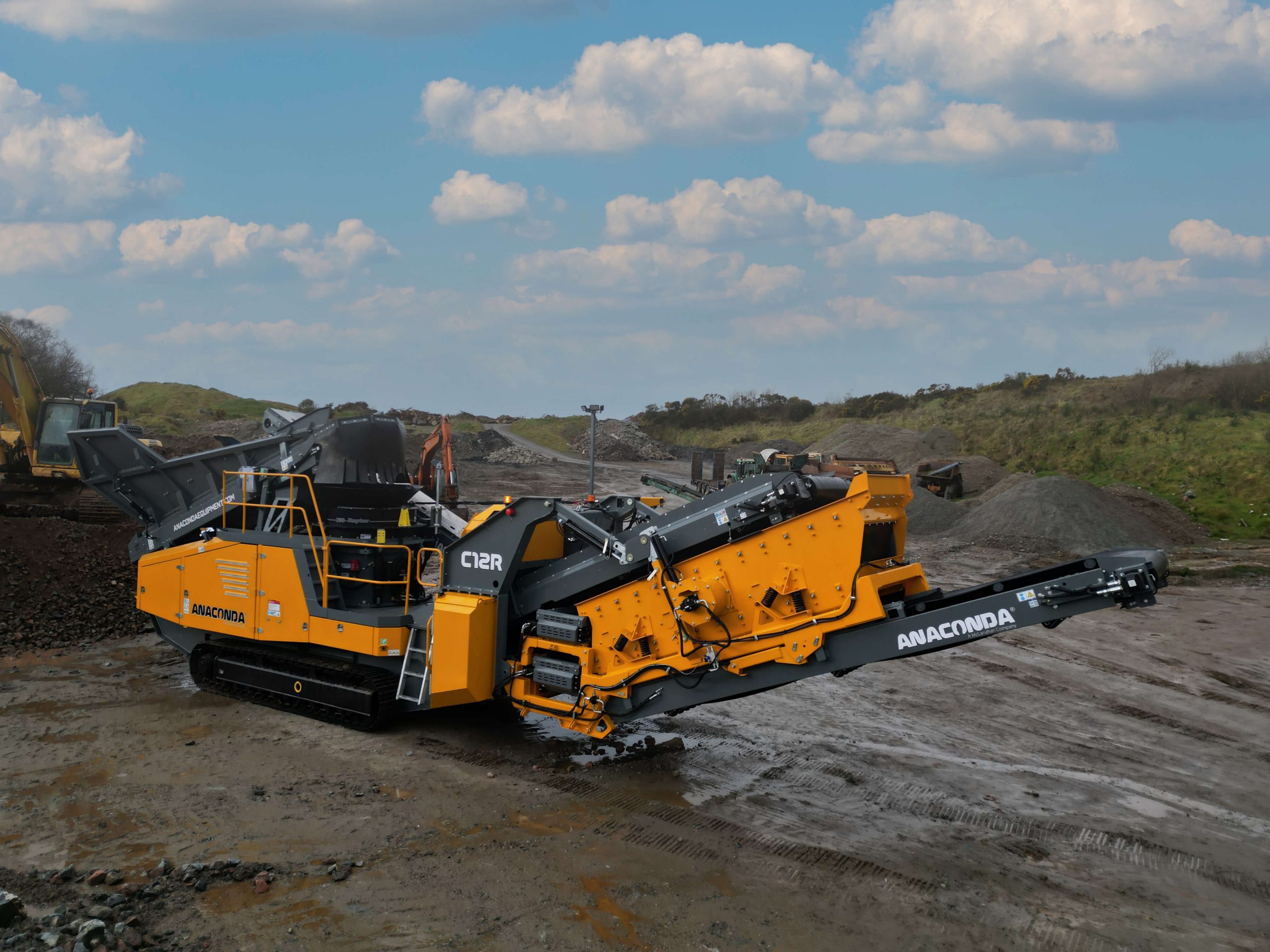
For operations that require frequent relocation or work across multiple sites, tracked cone crushers offer flexibility and ease of transport. These units are designed for quick setup and minimal infrastructure, making them ideal for mobile crushing applications.
The ability to move equipment efficiently between sites can reduce setup time and increase operational flexibility. This is particularly valuable for contractors and producers working on temporary projects or in multiple locations throughout the year.
In comparison, stationary cone crushers may be better suited for high-volume, fixed-site operations where mobility is less of a concern. These installations often provide advantages for long-term production environments where maximum throughput and continuous operation are priorities.
Maintenance and Service Access
Ease of maintenance is a key factor in long-term operational efficiency. Crushers with accessible service points, simplified liner changes and durable components significantly reduce downtime and improve overall safety.
When evaluating options, consider:
- How easily wear parts can be replaced
- How often maintenance is required
- Whether service can be performed at ground level or if it requires additional equipment
The availability of replacement parts and technical support should also be considered. Equipment designed with serviceability in mind can help maintenance teams complete routine tasks more efficiently, reducing interruptions to production and helping maintain consistent operating performance. Streamlined maintenance procedures also contribute to safer working conditions by minimising the time spent performing service activities.
Final Verdict
The right cone crusher depends on specific material characteristics and production goals. By defining the crushing stage, understanding feed characteristics and evaluating capacity, mobility and maintenance requirements, a machine can be selected that consistently delivers precision, productivity and long-term reliability.
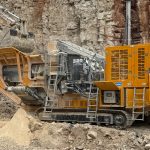
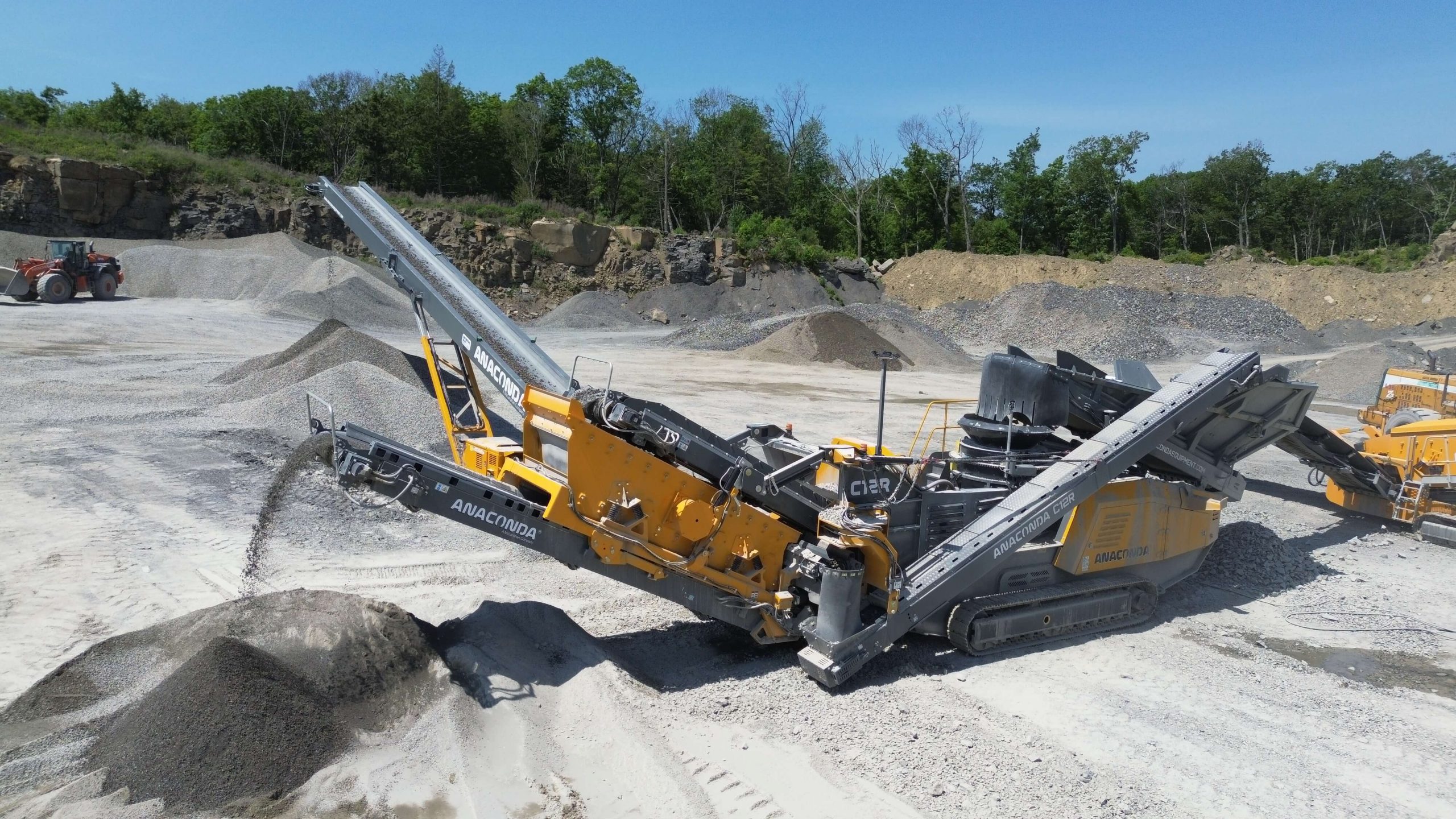
Anaconda’s C12 and C12R cone crushers are engineered with these principles in mind, combining the proven FLSmidth Raptor® cone chamber with a user-friendly design, high-performance crushing and service accessibility to keep operations both efficient and productive. Their combination of performance, durability and ease of maintenance makes them well suited for a wide range of aggregate and recycling applications where product quality and uptime remain critical to success.