What Your Machine Is Telling You & Why It Matters: Telematics of Mobile Equipment
In today’s fast-paced aggregate, quarrying, mining, demolition and recycling industries, productivity depends on more than just having the right equipment on-site. Operators and fleet managers need visibility into how their machines are performing, where they are located and when maintenance is required. This is where telematics has become one of the most valuable tools in modern mobile equipment management.
Telematics transforms mobile equipment from standalone machines into connected assets that continuously provide operational insights. From tracking fuel consumption and machine utilisation to monitoring service intervals and operating conditions, telematics gives operators the information they need to make smarter decisions and maximise equipment performance.
Why Telematics Matters in Mobile Processing
Mobile equipment often works in demanding environments where production targets are tight and unexpected downtime can be costly. Historically, operators relied on visual inspections, manual recordkeeping and operator feedback to understand machine performance. While these methods remain important, they provide only a limited view of what is happening in the field.
Telematics fills those gaps by delivering real-time and historical machine data directly to operators and managers, allowing them to monitor equipment remotely and address issues before they impact production.
Benefits of a well-utilised telematics system include:
- Increased machine uptime
- Improved preventative maintenance planning
- Reduced fuel consumption
- Better fleet utilisation
- Enhanced jobsite visibility
- Lower operating costs
With greater visibility into fleet performance, operators can shift from reactive problem-solving to proactive equipment management.
Understanding What Your Machine Is Telling You
Modern telematics systems collect a wide range of operational data. While the amount of information available can seem overwhelming at first, most of it falls into a few key categories that help operators better understand equipment performance and efficiency.
Machine Location and Asset Tracking
GPS tracking is one of the most widely used telematics features because it provides immediate visibility into equipment location.
Whether a fleet operates on a single site or across multiple locations, managers can quickly determine where machines are located, helping improve logistics, prevent unauthorised use and reduce the time spent searching for equipment.
For contractors managing multiple projects simultaneously, accurate asset tracking helps ensure equipment is deployed where it can deliver the greatest value.
Operating Hours and Utilisation
Equipment that spends significant time idle is not contributing to production.
Telematics provides detailed utilisation data that shows how often machines are running, when peak usage occurs and how equipment is being used throughout the workday. These insights help operators answer important questions such as:
- Is the machine being fully utilised?
- Are additional units necessary?
- Can equipment be redistributed across sites?
- Are operators maximising production time?
Understanding utilisation patterns allows producers and managers to optimise equipment deployment and get more value from their fleet.
Monitoring Fuel Consumption and Efficiency
Fuel is one of the largest operating expenses associated with mobile equipment. Tracking fuel consumption can reveal inefficiencies that may otherwise go unnoticed.
Excessive idling, improper operating practices and production bottlenecks can all cause unnecessary fuel usage while contributing little to overall output. Telematics can play a key role in identifying hidden fuel costs.
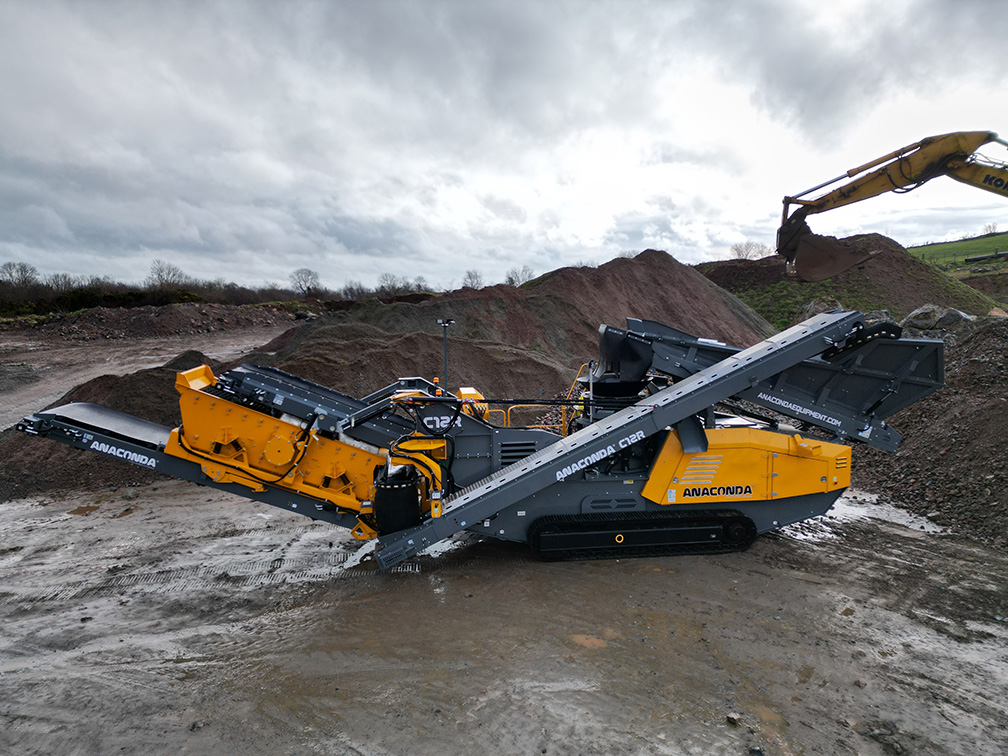
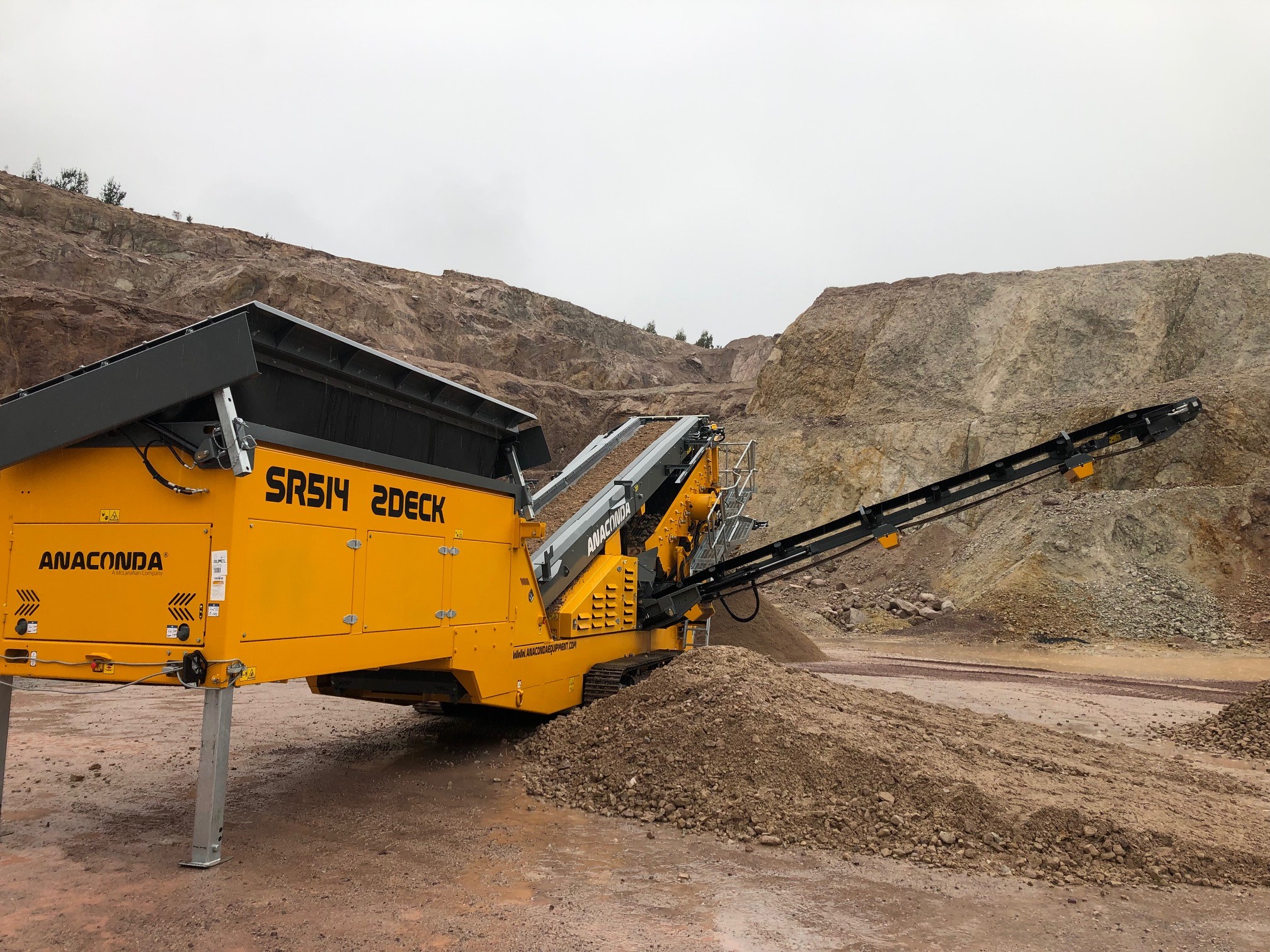
For example, a tracked conveyor may spend considerable time waiting for material from an upstream crusher. During this period, fuel is consumed without generating production. Similarly, screens and crushers that spend excessive time idling can significantly increase operating costs.
Common fuel-related metrics include:
- Total fuel consumed
- Fuel burn rate
- Idle time percentage
- Fuel efficiency per production hour
- Trend analysis over time
By understanding where and how fuel is being used, operators can identify opportunities to improve both efficiency and profitability.
Using Telematics for Preventative Maintenance
One of the greatest benefits of telematics is its ability to support preventative maintenance programs.
Unexpected breakdowns can interrupt production, increase repair costs and create safety concerns. Telematics helps reduce these risks by continuously monitoring machine health and alerting operators when service is required.
Staying Ahead of Equipment Issues
Rather than waiting for a failure to occur, maintenance teams can use telematics data to schedule service proactively and address potential issues before they become major repairs.
Common maintenance-related information includes:
- Engine hours
- Service reminders
- Diagnostic fault codes
- Hydraulic system alerts
- Engine performance warnings
- Battery health indicators
Taking action early often helps prevent costly downtime while extending equipment life and improving maintenance planning.
Turning Data Into Better Performance
The true value of telematics is not simply collecting information but using that information to improve operations.
When utilisation reports, maintenance records and performance data are viewed together, operators gain a clearer understanding of how their fleet is performing and where improvements can be made.
Finding Operational Bottlenecks
Data may reveal that a screen is consistently running below capacity because an upstream feeder or crusher is limiting material flow. In other cases, reports may show that some machines are overworked while others remain underutilised.
These insights allow operators to:
- Improve production planning
- Optimise equipment deployment
- Balance workloads across the fleet
- Reduce unnecessary operating costs
- Increase overall site efficiency
The result is a more streamlined operation with fewer interruptions and greater production consistency.
Supporting Safety and Operator Accountability
Safety remains a priority on every jobsite, and telematics can play an important role in supporting safer operations.
Visibility into machine usage, operating conditions and equipment health helps managers identify behaviours or conditions that may require additional attention. Monitoring shutdown events, idle times and machine alerts can provide valuable insight into daily operating practices and maintenance compliance.
When operators and managers have access to accurate machine information, safety and accountability often improve together.
Planning for Long-Term Fleet Performance
Effective fleet management requires balancing immediate production demands with long-term equipment ownership costs.
Telematics provides valuable data that helps managers evaluate machine performance over time, compare utilisation rates and identify trends that influence equipment investment decisions.
Questions telematics can help answer include:
- Which machines deliver the highest utilisation?
- Which units experience the most downtime?
- When is replacement more cost-effective than repair?
- How can fleet performance be improved across multiple sites?
Access to this information supports smarter capital planning and helps maximise return on investment throughout the equipment lifecycle.
Getting More From Your Mobile Equipment
Today’s mobile equipment generates valuable information every day. The key is knowing how to turn that information into action.
Telematics provides a clearer picture of machine health, utilisation, fuel efficiency and maintenance needs, enabling operators to keep equipment running efficiently and production moving forward.
At Anaconda Equipment, mobile solutions are built to perform in demanding environments. When reliable equipment is paired with modern telematics technology, producers gain the visibility needed to identify inefficiencies, anticipate maintenance needs and make more informed operational decisions.
Ultimately, your machine is telling a story every day. Telematics helps you understand that story, giving you the insights needed to address issues sooner, improve performance, and keep operations productive, efficient and profitable.