Across the construction industry, materials are constantly moving from one project to the next. Demolition, road reconstruction, utility upgrades and site redevelopment all generate large volumes of construction and demolition (C&D) waste. Too often, that material is hauled off site for disposal rather than reused as a valuable resource.
With the right approach to mobile crushing and screening, C&D waste can become an integral part of a circular economy. Instead of landfilling concrete, asphalt and inert materials, contractors and producers can process waste directly on site or nearby, creating reusable aggregates that support efficiency, sustainability and long term cost control.
The Circular Economy in C&D Recycling
A circular economy focuses on keeping materials in use for as long as possible, extracting maximum value before recovering and regenerating resources. In C&D recycling, this means transforming waste into usable products such as road base, structural fill and recycled aggregate that can be fed back into new construction projects.
Mobile crushing and screening equipment plays a critical role in making this possible. By reducing material at the source and separating it into consistent fractions, operators can minimize waste, reduce reliance on virgin aggregate and keep recovered material circulating through the construction lifecycle.
Why Mobility is Changing How Jobsites Operate
C&D recycling volumes continue to rise as landfill space becomes more limited, disposal costs increase and sustainability expectations grow. At the same time, demand for construction aggregates remains strong, driven by infrastructure upgrades, housing development and public works projects.
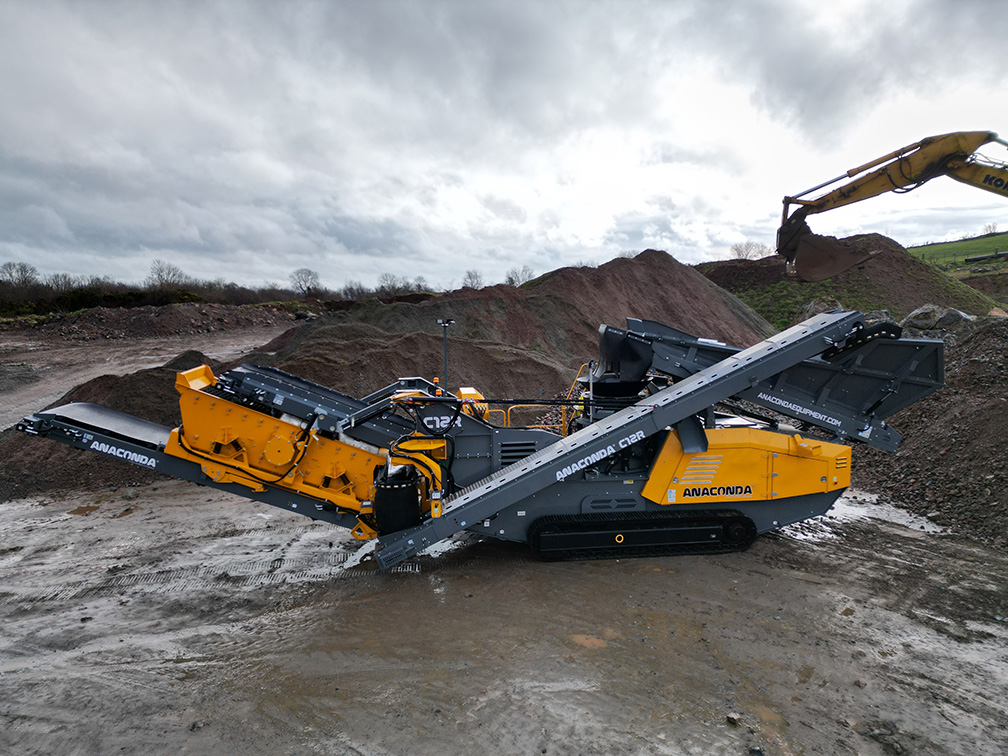
To meet these demands, many operations are shifting toward mobile crushing and screening solutions that emphasize flexibility, mobility and rapid deployment. Unlike fixed plants, mobile systems can be relocated quickly, allowing material to be processed closer to where it is generated. This approach reduces hauling distances, lowers fuel consumption and minimizes disruption on job sites and surrounding communities.
From both an environmental and economic standpoint, mobility delivers clear advantages.
The Operational Advantages of Taking Processing On the Road
Mobile equipment allows processing operations to align directly with real world project demands rather than forcing projects to adapt to fixed facilities. Key advantages include:
- Reduced hauling and transportation costs
- Faster material turnaround and improved project timelines
- On site or near site processing at demolition and construction locations
- Increased recovery of reusable aggregates
- Lower environmental impact through reduced emissions and landfilling
By transforming waste streams into usable material at the source, mobile crushing and screening helps keep resources in circulation longer while supporting a more sustainable materials lifecycle.
From Mixed Debris to Marketable Material
Successful C&D recycling relies on selecting the right equipment configuration and understanding the material being processed. While the overall concept is straightforward, real world conditions demand robust and adaptable solutions.
Stage 1: Size Reduction in Challenging Conditions
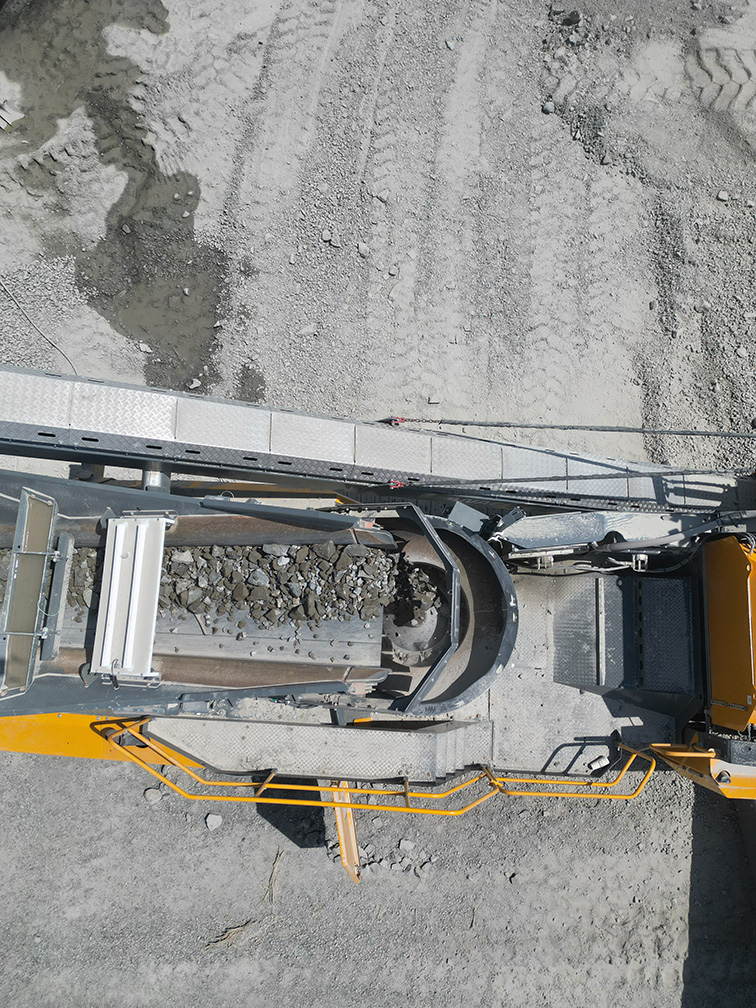
The process typically begins with mobile crushing equipment engineered to handle abrasive, variable and sometimes reinforced material. Concrete, asphalt, brick and mixed inert debris must be reduced to consistent sizes while maintaining throughput and reliability.
Equipment designed specifically for mobile C&D applications allows operators to adapt quickly to changing feed conditions while limiting excessive wear on key components. Early removal of rebar and other metal contaminants remains a critical step, protecting downstream equipment and improving final product quality.
Stage 2: Producing Consistent, Usable Products
Once material is crushed, screening separates it into usable size fractions. Mobile screening solutions enable operators to tailor output to project or market requirements, whether producing road base, fill material or specified aggregate sizes.
Additional crushing or screening stages are often incorporated to improve gradation control and maximize usable yield. Mobile configurations make it easier to adjust layouts as material characteristics or production goals change.
Handling Byproducts Without Compromising Efficiency
C&D recycling inevitably produces fines and residual material. Proper management of these fractions supports productivity, site cleanliness and regulatory compliance.
Mobile systems can integrate fines handling or washing where required, improving material recovery while supporting environmentally responsible operations.
End Uses That Keep Materials in Circulation
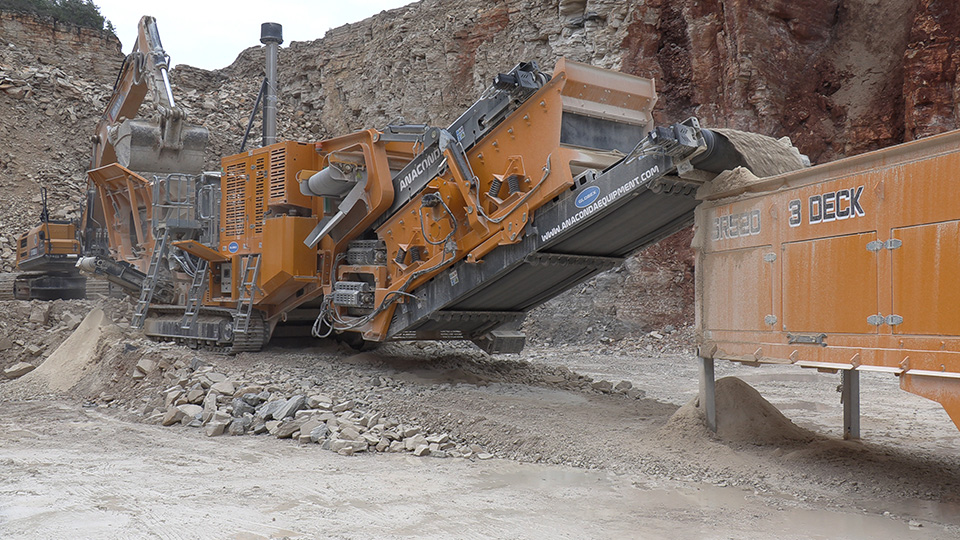
Material produced through mobile C&D recycling is used across a wide range of construction and infrastructure applications. Depending on processing methods, regulations and material quality, recycled aggregates are commonly used for:
- Road base and subbase
- Trench backfill and utility bedding
- Structural and engineered fill
- Temporary access roads and working platforms
- Blended aggregate or secondary construction products
As municipalities and project owners increasingly encourage or specify recycled materials, mobile recycling solutions make it easier to meet sustainability targets without sacrificing performance or reliability.
Turning Waste Streams Into Cost-Saving Opportunities
Beyond environmental benefits, mobile crushing and screening improves project economics. Processing material on site reduces tipping fees and eliminates unnecessary hauling. Recycled material can be reused immediately within the project or stockpiled for future use.
Mobile equipment also provides greater control over production schedules. Instead of relying on third party processors, contractors can manage output internally, keeping projects moving efficiently and maximizing recovered material value.
In many applications, material that was once a disposal cost becomes a valuable resource.
Driving Long-Term Impact Through Smarter Equipment Choices
Mobile crushing and screening equipment plays an essential role in advancing circular economy principles within the construction industry. By keeping materials in use longer, conserving natural resources and reducing transportation emissions, mobile recycling supports a more efficient and resilient materials supply chain.
As disposal options become more limited and expectations around sustainability continue to grow, mobile C&D recycling is evolving from a convenience into a strategic necessity. With the right equipment in place, C&D waste no longer represents an endpoint. Instead, it becomes the starting point for more efficient, sustainable and cost effective construction projects.
Mobile crushing and screening solutions built for real world C&D applications help transform waste into opportunity and make circularity a practical part of everyday operations.