Mobile crushing equipment is built to take on tough applications in demanding environments, but even the most rugged machines require regular maintenance to operate efficiently and reliably. Whether you’re processing aggregates, recycling concrete or working in a mining application, proactive maintenance is essential to maximise uptime, extend component life and reduce operating costs.
While each crusher type has unique maintenance requirements, there are several best practices that can help operators get the most out of their mobile jaw, impact and cone crushers.
Why Preventive Maintenance Matters
Unexpected downtime can quickly disrupt production schedules and increase operating costs. A well-planned maintenance program helps operators:
- Maximise machine availability
- Reduce unplanned downtime
- Extend wear part and component life
- Improve crushing efficiency
- Enhance workplace safety
- Lower overall operating costs
By performing routine inspections and addressing minor issues before they become major failures, producers can keep their mobile crushing operations running smoothly.
General Maintenance Tips for All Mobile Crushers
Regardless of crusher type, several key maintenance tasks should be incorporated into every operation’s maintenance schedule.
Perform Daily Walk-Around Inspections
A thorough visual inspection at the beginning and end of each shift can help identify developing issues before they become costly repairs.
Check for:
- Loose or missing hardware
- Hydraulic leaks
- Damaged guards and covers
- Excessive wear on conveyors
- Cracked welds or structural components
- Unusual noises or vibrations
Documenting findings and tracking trends over time can help maintenance teams plan repairs before failures occur.
Keep Equipment Clean
Dust, dirt and material buildup can accelerate wear and make it difficult to identify maintenance issues.
Regularly clean:
- Crusher chambers
- Conveyor systems
- Engine compartments
- Radiators and coolers
- Hydraulic components
Maintaining clean equipment can improve cooling efficiency and provide better access for inspections.
Monitor Lubrication Systems
Proper lubrication is critical for protecting bearings, shafts and other moving components.
Operators should:
- Check lubricant levels regularly
- Follow manufacturer-recommended lubrication schedules
- Monitor grease consumption
- Inspect for contamination
- Replace filters as recommended
Lubrication issues are among the most common causes of premature component failures.
Inspect Wear Parts Frequently
Wear components directly impact crushing performance and product quality.
Regularly inspect:
- Liners
- Jaw dies
- Blow bars
- Cone liners
- Conveyor skirts
- Impact aprons
Replacing or flipping/rotating wear parts at the appropriate time helps maintain throughput and prevents damage to more expensive components.
Mobile Jaw Crusher Maintenance Tips
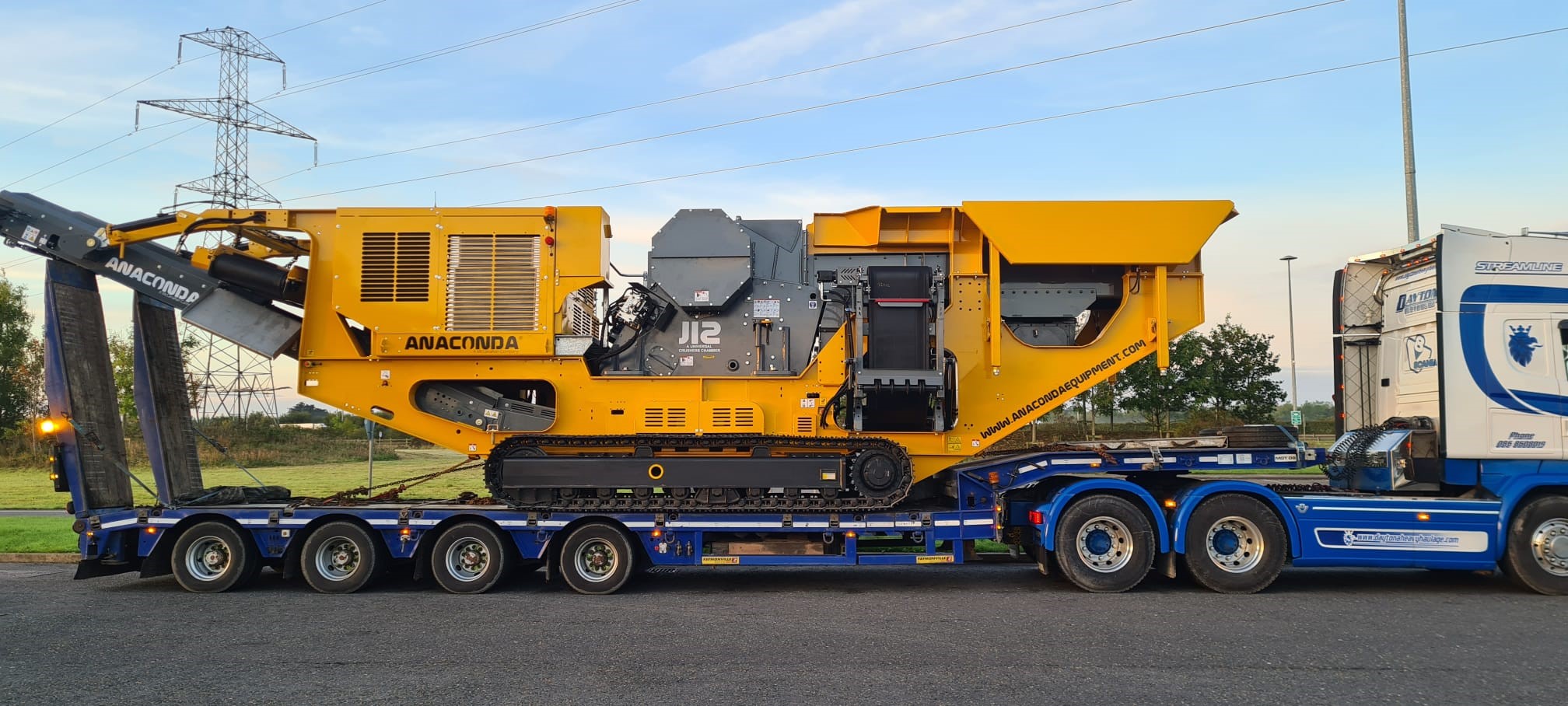
Jaw crushers are often the first stage of the crushing process and handle some of the largest feed material. Their maintenance program should focus on protecting key crushing components and ensuring proper material flow.
Monitor Jaw Die Wear
Jaw dies gradually wear over time, affecting crusher performance and final product sizing.
Operators should:
- Measure wear regularly
- Rotate or flip dies when applicable
- Replace dies before excessive wear develops
- Maintain consistent feed distribution across the chamber
Running worn jaw dies too long can reduce production and increase stress on crusher components.
Check Toggle Components
The toggle plate and related components play a critical role in jaw crusher operation.
Inspect for:
- Excessive wear
- Cracks
- Loose connections
- Proper seating
Any abnormalities should be addressed immediately to avoid more significant mechanical failures.
Maintain Proper Feed Practices
Uneven feeding can cause accelerated wear and inefficient crushing.
Best practices include:
- Maintaining consistent feed rates
- Avoiding oversized material when possible
- Feeding material centrally into the chamber
- Preventing bridging and blockages
Proper feeding not only improves production but also helps extend equipment life.
Inspect Bearings Regularly
Jaw crusher bearings operate under high loads and are critical to machine performance.
Monitor:
- Operating temperatures
- Lubrication condition
- Unusual noise or vibration
Early detection of bearing issues can help avoid catastrophic failures and extended downtime.
Mobile Impact Crusher Maintenance Tips
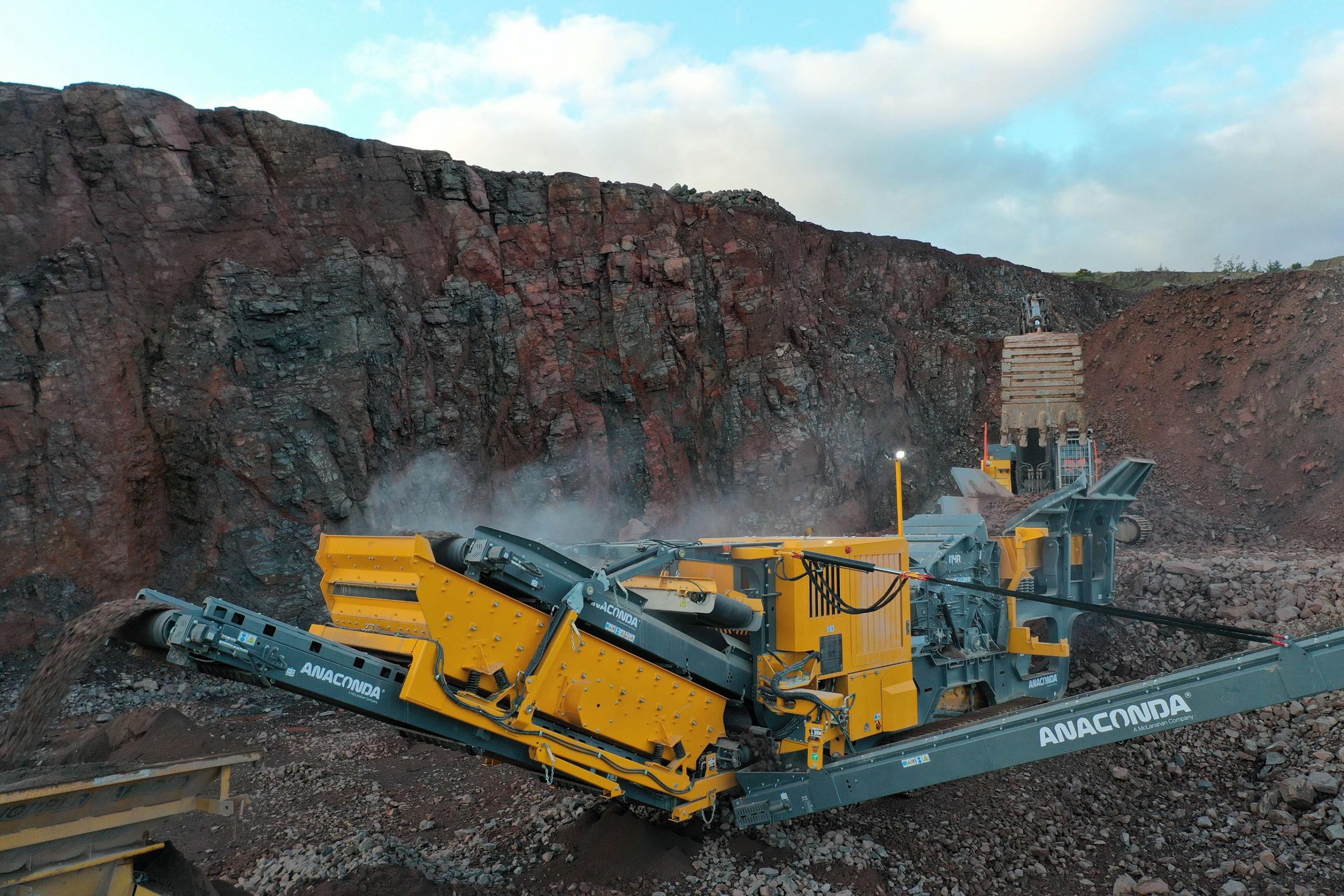
Impact crushers are widely used for aggregate and recycling applications because of their ability to produce high-quality, cubical products. However, their wear components experience significant abrasion and impact forces.
Track Blow Bar Condition
Blow bars are among the most important wear parts in an impact crusher.
Inspect them frequently for:
- Excessive wear
- Cracking
- Uneven wear patterns
- Loose retention systems
Timely rotation or replacement helps maintain crushing efficiency and product gradation.
Monitor Impact Aprons and Liners
Aprons and chamber liners help control product sizing and protect the crusher body.
Operators should:
- Check for wear and damage
- Verify apron settings
- Ensure proper alignment
- Replace heavily worn liners promptly
Allowing liners to wear through can damage structural components and significantly increase repair costs.
Watch Rotor Performance
The rotor is the heart of an impact crusher.
Routine inspections should include:
- Checking rotor balance
- Monitoring vibration levels
- Inspecting welds and mounting components
- Looking for material buildup
An out-of-balance rotor can accelerate wear and create safety concerns.
Remove Tramp Material
Although impact crushers can handle a variety of materials, uncrushable objects such as large pieces of steel can damage wear components.
Using magnets and conducting regular feed inspections can help prevent costly damage.
Mobile Cone Crusher Maintenance Tips
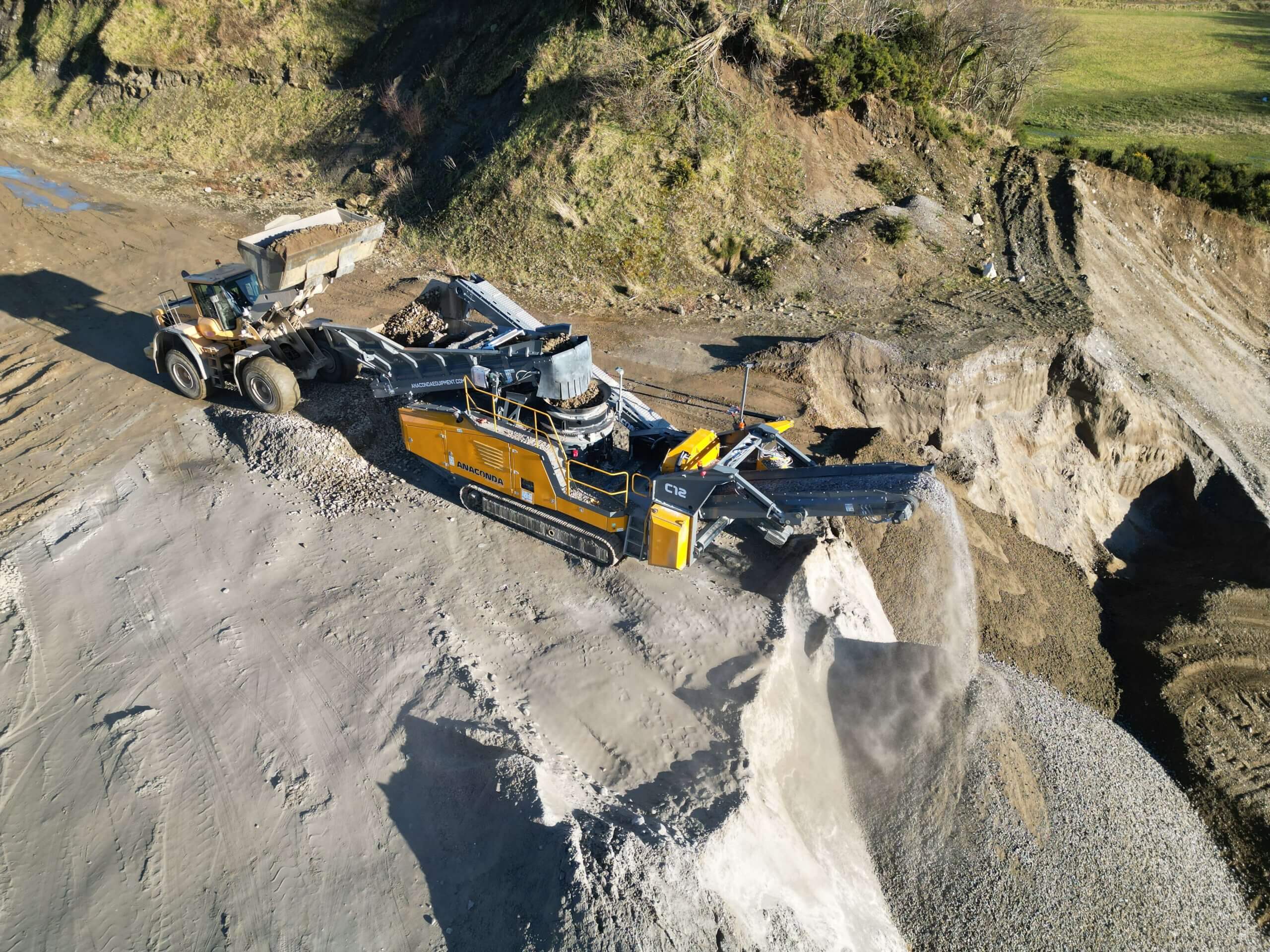
Cone crushers are commonly used in secondary, tertiary and quaternary crushing applications, where consistent performance and product quality are critical.
Monitor Liner Wear
Cone liner condition directly affects production and product gradation.
Regular inspections should focus on:
- Mantle wear
- Concave wear
- Uneven wear patterns
- Chamber profile changes
Maintaining a proper liner profile helps ensure efficient crushing and optimal throughput.
Maintain Consistent Closed-Side Settings
Closed-side settings (CSS) influence product size and crusher performance.
Operators should:
- Verify settings regularly
- Adjust as liners wear
- Calibrate automation systems when applicable
Inconsistent settings can lead to off-spec products and reduced efficiency.
Check the Lubrication System Daily
Cone crushers rely heavily on proper lubrication for protection and cooling.
Inspect:
- Oil levels
- Oil pressure
- Oil temperature
- Filter condition
Many major cone crusher failures can be traced back to lubrication issues that could have been caught through routine monitoring.
Avoid Improper Feeding
A choke-fed cone crusher generally performs more efficiently and experiences more even liner wear.
Best practices include:
- Maintaining a full crushing chamber
- Using surge bins or feeders when necessary
- Ensuring even feed distribution
- Limiting segregation of material
Consistent feeding conditions help maximise liner life and overall crusher performance.
Build a Strong Preventive Maintenance Program
The most successful mobile crushing operations treat maintenance as a proactive process rather than a reactive one. Regular inspections, proper lubrication, timely wear-part replacements and attention to feeding practices can significantly improve equipment performance and longevity.
Whether operating a mobile jaw, impact or cone crusher, creating and following a structured maintenance schedule helps reduce downtime, increase productivity and protect your investment.
By making maintenance a daily priority, producers can keep their mobile crushing equipment performing at its best and ensure reliable production for years to come.