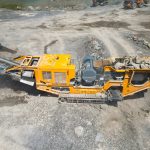
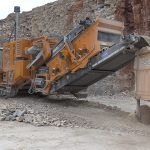
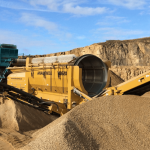
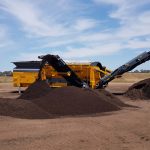
Creating a seamless line up of mobile equipment is one of the most effective ways producers can boost productivity, reduce downtime and maximize return on investment. When mobile crushers, screens and conveyors are correctly paired, the entire system works as one continuous process rather than a series of disconnected machines. For quarrying, mining, sand and gravel, and recycling applications, that level of integration is essential for achieving consistent throughput and reliable material quality.
At Anaconda Equipment, mobile solutions are designed with this exact goal in mind: compatibility, flexibility and efficiency across the full processing train. Understanding how to combine different pieces of mobile equipment, and why certain pairings work better than others, allows operators to build lineups that are not just productive, but adaptable to changing material conditions and site constraints.
Why Equipment Pairing Matters in Mobile Processing
Mobile equipment is often chosen because of its flexibility. However, flexibility does not mean sacrificing performance. In fact, when each machine is correctly matched to the next, mobile systems can rival or outperform many stationary plants.
Poor equipment pairing can create bottlenecks, overwork certain machines or cause material handling inefficiencies. For example, an undersized screen following a crusher will restrict flow, while an improperly selected conveyor can limit stockpile capacity and increase material spillage.
A well paired mobile line up delivers several measurable benefits:
- Consistent production rates across all stages
- Reduced material recirculation
- Lower operating and fuel costs
- Improved safety due to smoother material flow
- Faster setup and tear down times
When equipment capacities, feed sizes and discharge heights are aligned, the operation becomes far more predictable and efficient.
Starting With the Right Primary Machine
Every mobile lineup begins at the face, making the primary machine the foundation of the entire system. Whether that is a mobile crusher or a scalping screen depends on the material and application.
Pairing Crushers and Screens at the Front End
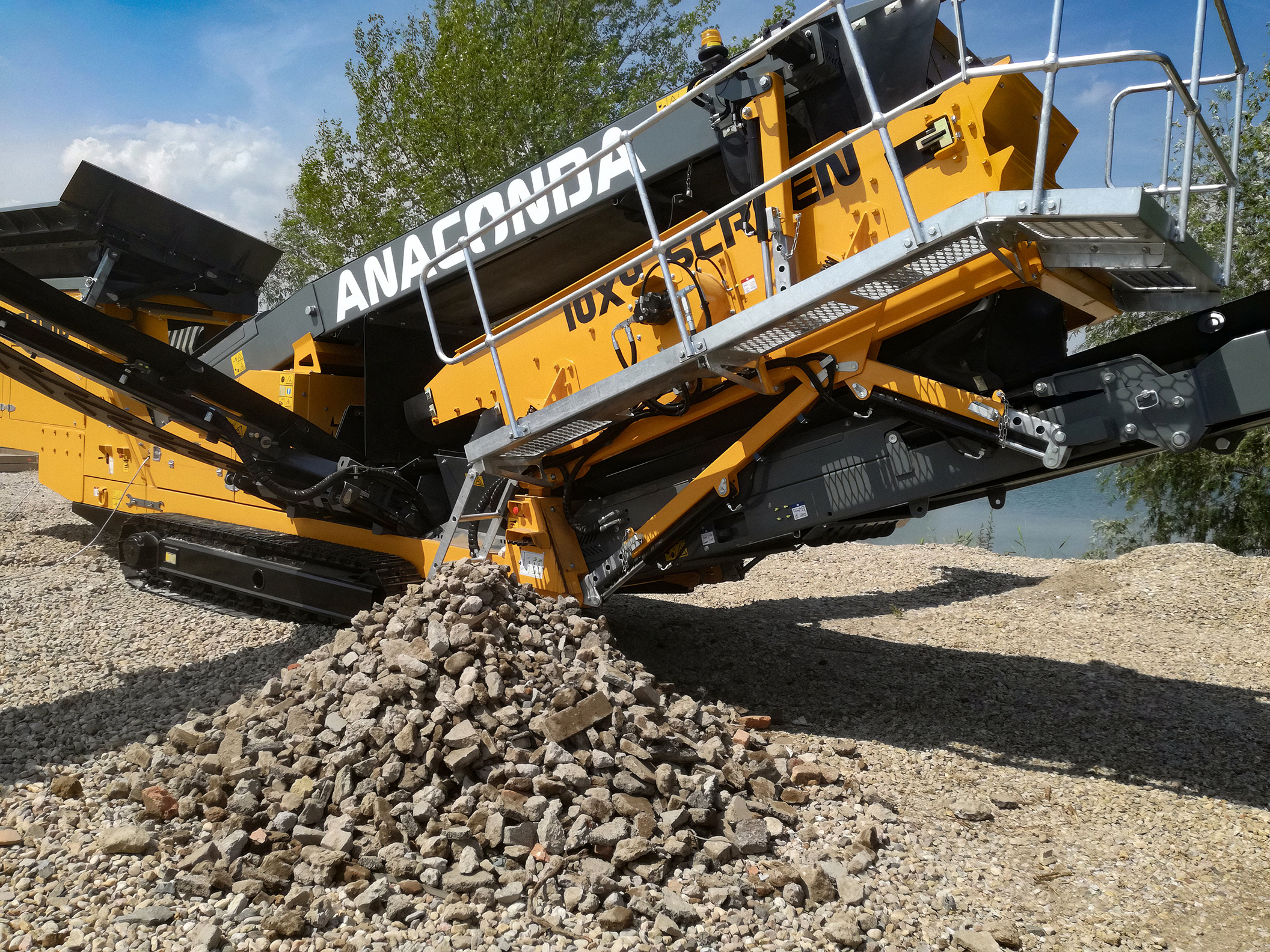
In hard rock quarrying or demolition recycling, a mobile crusher is typically the first point of contact. Pairing that crusher with a heavy duty scalping screen can significantly improve performance by removing fines before crushing. This reduces wear on the crusher, lowers fuel consumption and increases overall tonnage.
For sand and gravel or softer material applications, a scalping screen alone may serve as the primary unit. In this case, downstream screens and conveyors must be selected to handle both the volume and gradation produced at the first stage.
Key considerations at the primary stage include:
- Maximum feed size
- Expected throughput rate
- Abrasiveness and moisture content of material
- Availability of downstream support equipment
Anaconda’s mobile scalping and screening equipment is designed to integrate easily with crushers from a wide range of manufacturers, making it easier to build a customized processing train.
Matching Screen Deck Size to Downstream Capacity
Screens are the control point for material separation, so they must be properly sized relative to both upstream and downstream machines. A screen that is too small will become a choke point, while an oversized screen can drive up capital costs without delivering additional value.
Two and Three Way Screen Pairings
Two way split screens are often paired with crushers where only a single product size and one oversize stream are required. Three way split screens, by contrast, are ideal for operations producing multiple spec products in a single pass.
When pairing screens with conveyors or secondary crushers, it is critical to ensure that each discharge stream can be efficiently handled without material buildup or spillage.
Best practices include:
- Matching screen throughput to crusher discharge rates
- Ensuring conveyors can handle peak surge loads
- Selecting screen media appropriate for material type
Anaconda mobile screens are built for versatility, allowing operators to reconfigure decks and media to match changing product requirements without replacing the entire unit.
Using Conveyors to Tie the System Together
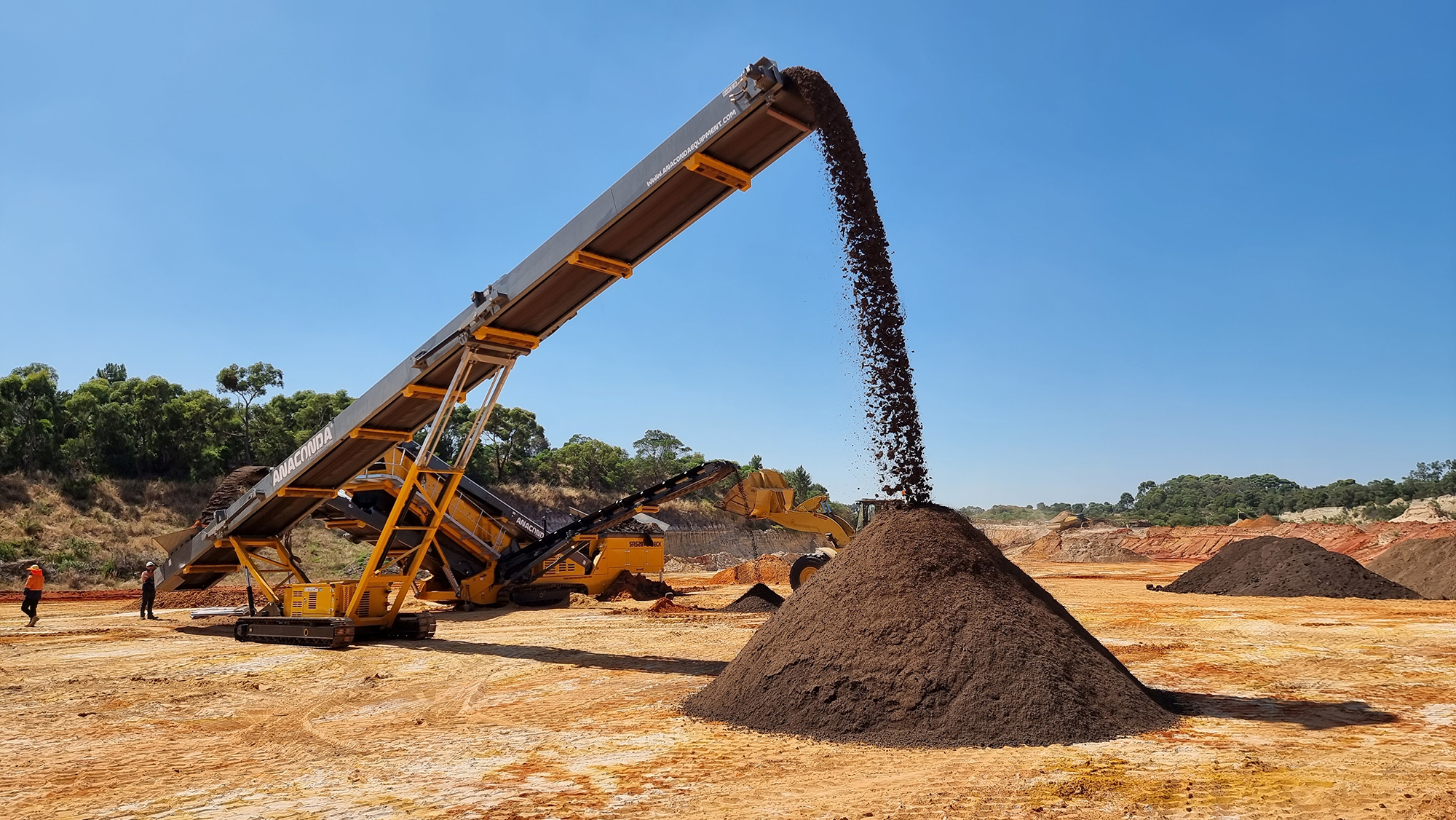
Conveyors are often underestimated, yet they play a major role in how seamless a mobile line up truly is. Correctly selected conveyors eliminate double handling, reduce loader usage and allow stockpiles to be built safely and efficiently.
Transfer vs. Stockpiling Conveyors
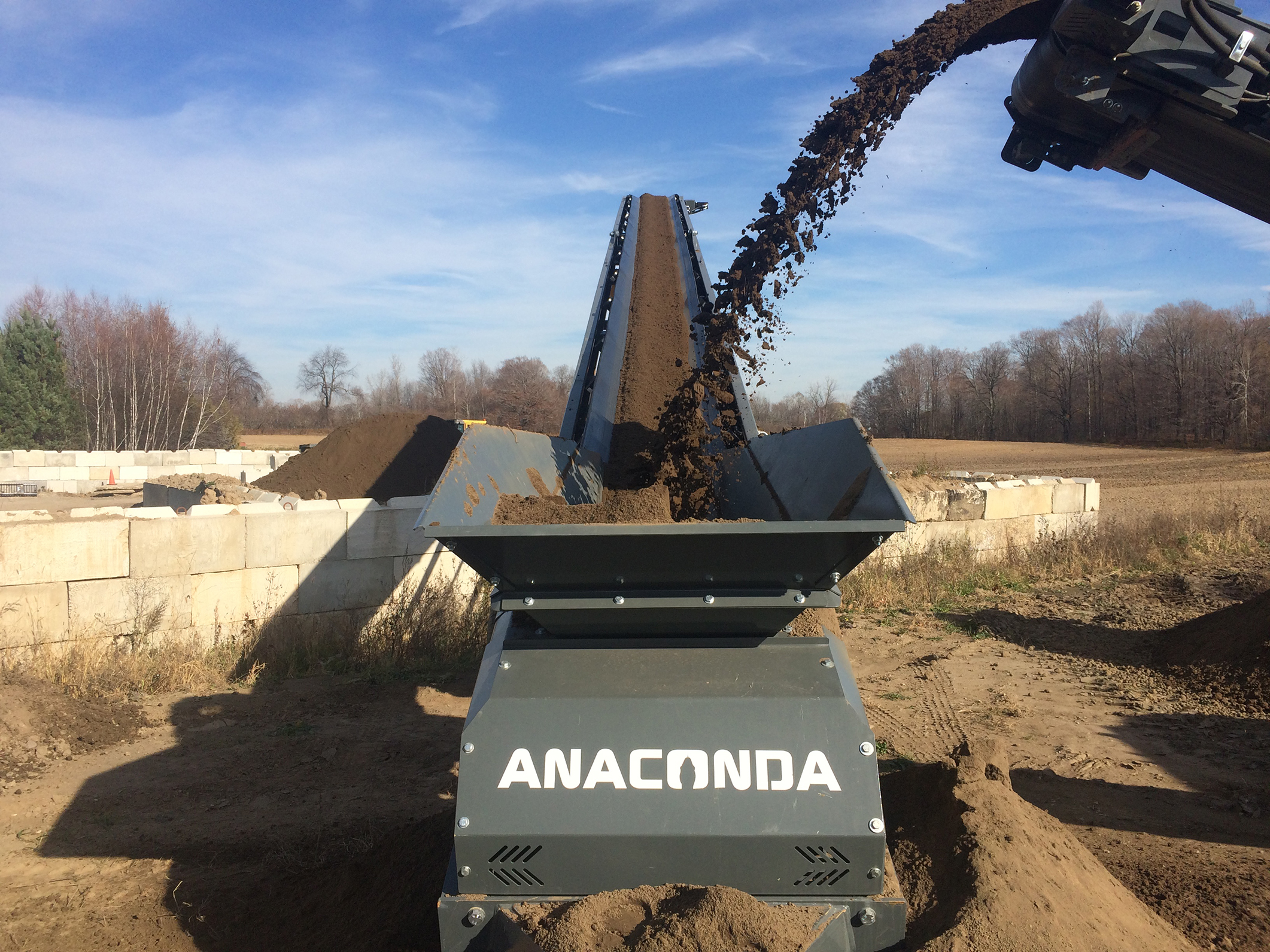
Transfer conveyors are used between machines to maintain continuous flow, while stockpiling conveyors are designed to build larger piles with reduced segregation.
When pairing conveyors with crushers or screens, operators must consider discharge height, belt width, speed and radial capabilities.
A well designed conveyor system provides:
- Increased stockpile capacity
- Reduced equipment congestion
- Lower fuel burn compared to wheeled loaders
- Improved site safety
Anaconda’s range of tracked and wheeled conveyors is specifically engineered to integrate with mobile crushers and screens, making them an essential component in a seamless processing line.
Planning for Flexibility and Future Expansion
One of the biggest advantages of mobile equipment is scalability. A system that works today might need to expand tomorrow, and equipment pairing decisions should reflect that reality.
Designing a Line Up That Can Grow
When selecting mobile equipment, operators should think beyond immediate production needs. Choosing machines with compatible capacities and standardized connections makes it easier to add or reposition units later.
For example, a producer may initially operate a crusher and single screen, then later add an additional screen or conveyor to increase product separation. If those machines were originally selected with compatibility in mind, expansion becomes straightforward rather than disruptive.
Key planning questions include:
- Can additional conveyors be added without redesigning the site?
- Will existing screens support higher tonnage in the future?
- Are machines compatible across different applications?
Anaconda’s of processing equipment is designed with modularity in mind, allowing producers to adapt their mobile setups as demands change.
Reducing Downtime Through Smart Pairing
Downtime is one of the most costly challenges in mobile operations. Improperly paired equipment often leads to uneven wear, frequent blockages or excessive maintenance.
By balancing capacities across the line, operators can avoid running certain machines harder than necessary. Matching discharge heights, feed boxes and hopper designs also reduces material spillage and cleanup requirements.
A seamless lineup requires less operator intervention, which translates directly into higher uptime and lower labor costs.
Building a Seamless System With Anaconda Equipment
Anaconda Equipment specializes in mobile solutions that are built to work together. From scalping screens and finishing screens to tracked conveyors, each machine is engineered with compatibility and performance in mind.
By thoughtfully pairing different pieces of mobile equipment, producers can create systems that are efficient, flexible and easy to expand. The result is a streamlined operation that delivers consistent results across a wide range of applications.
Whether launching a new site or optimizing an existing one, taking the time to design a seamless equipment lineup is an investment that pays dividends in productivity, safety and long term profitability.
In many cases, building that seamless system starts with involving the Anaconda team early in the process. Using plant flow modeling tools such as AggFlow, Anaconda can help map out equipment combinations, balance capacities and visualize how material will move through the entire line before machines ever arrive on site. This ensures each piece of mobile equipment is correctly paired to deliver efficient, reliable performance from day one.