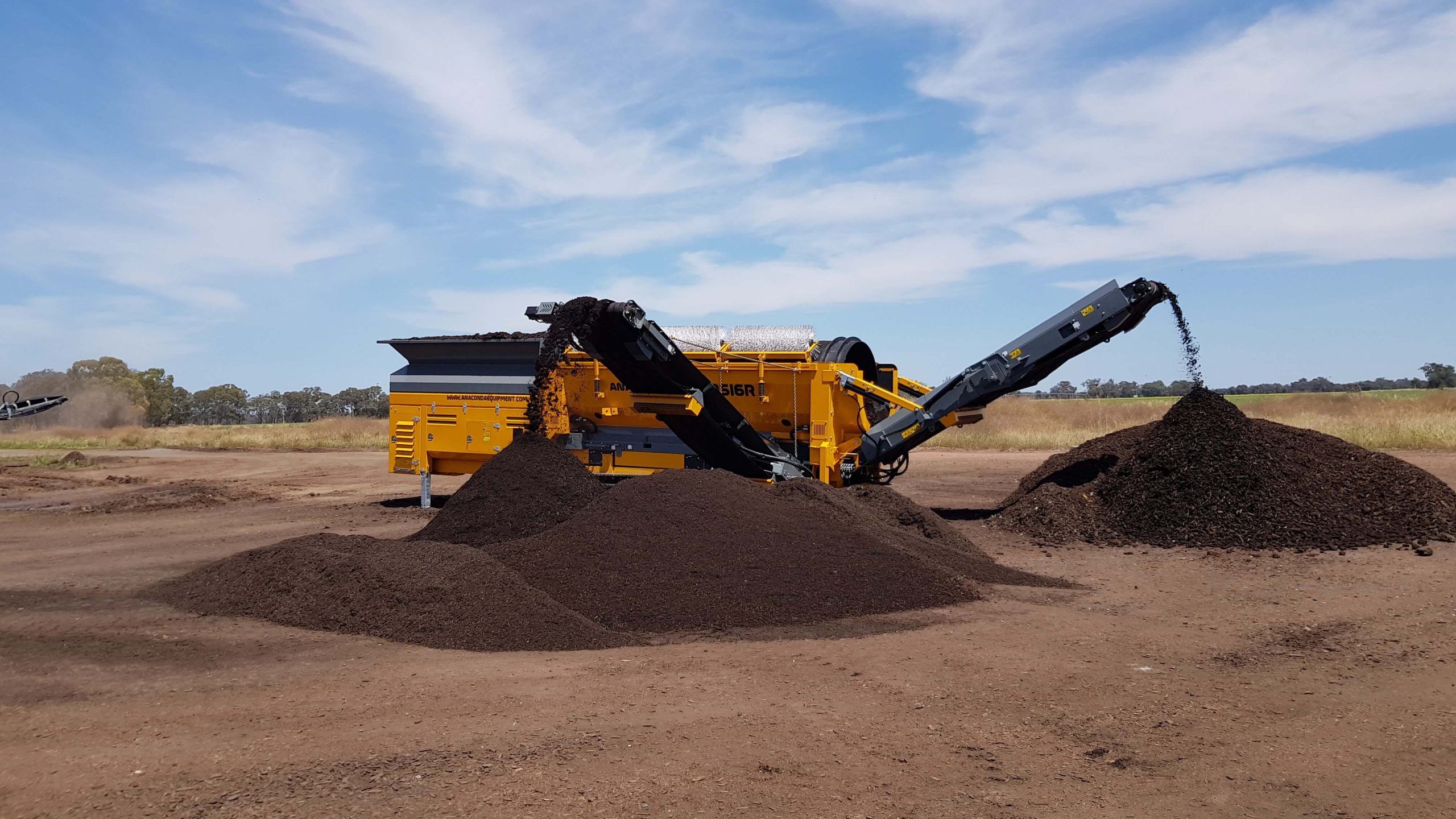
The term ‘Topsoil’ refers to the top 50 – 300 mm (2-12’’) of soil that has the highest concentration of organic material. Screening topsoil is an excellent way to gain and create revenue from waste material that would normally go to landfill.
In its raw form, topsoil is often sent to landfill as it is usually heavily contaminated with elements such as rocks, water, plant roots, sticks and weeds. For the material to be of any benefit to plant production, these contaminants must be removed, hence the need to screen topsoil.
Once screened, topsoil can be a used in landscaping applications. The improved usability of the topsoil increases resale value for operators. The inherent value of topsoil will depend on the grade. The grade of topsoil is determined by granularity. Ensuring the correct screen has been used will be imperative to meet the correct grade for the final product and achieve the desired product value in the market.
Selecting the right screen for your operation
Selecting the right screen for an operation comes down to the following key factors:
- Volume of topsoil
- Stationary vs. mobile equipment
- Moisture content of the feed
- Percentage of oversize material present
- Percentage of waste material present
- Number of product streams
- Power requirements
Scalping Screens
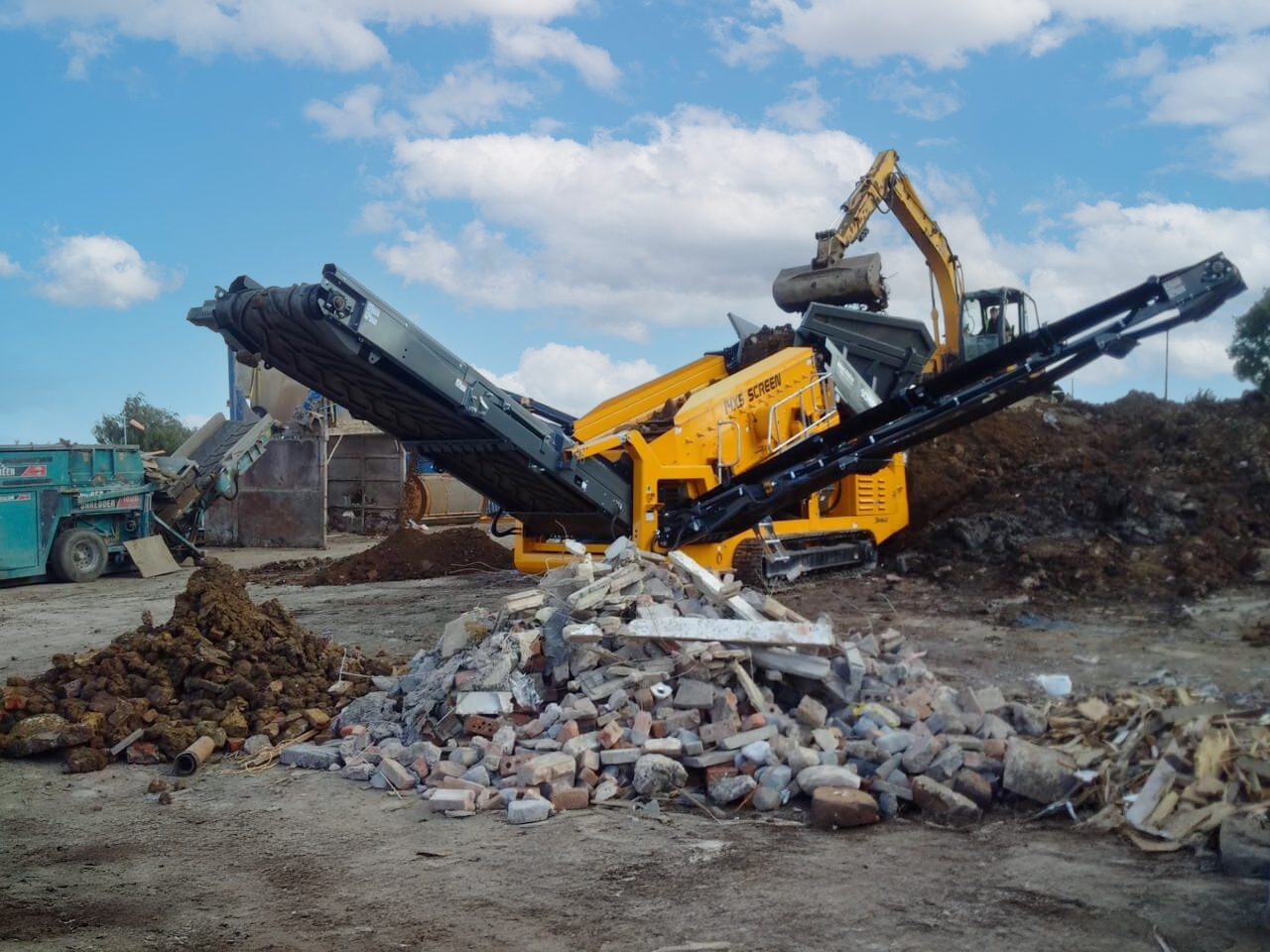
Scalping Screens can often be overlooked when it comes to topsoil screening. Many producers opt for the Trommel Screen due to its ability to efficiently process organic materials. Nonetheless, the Scalping Screen can remove oversize material such as rocks, roots or debris allowing for an improved final product. Other features and benefits for using a Scalping Screen include their ability to process large volumes of material and versatility in configuration. The Scalping Screen can be configured to use a punch plate or grizzly bars depending on material characteristics and the desired outcome.
Finishing Screens
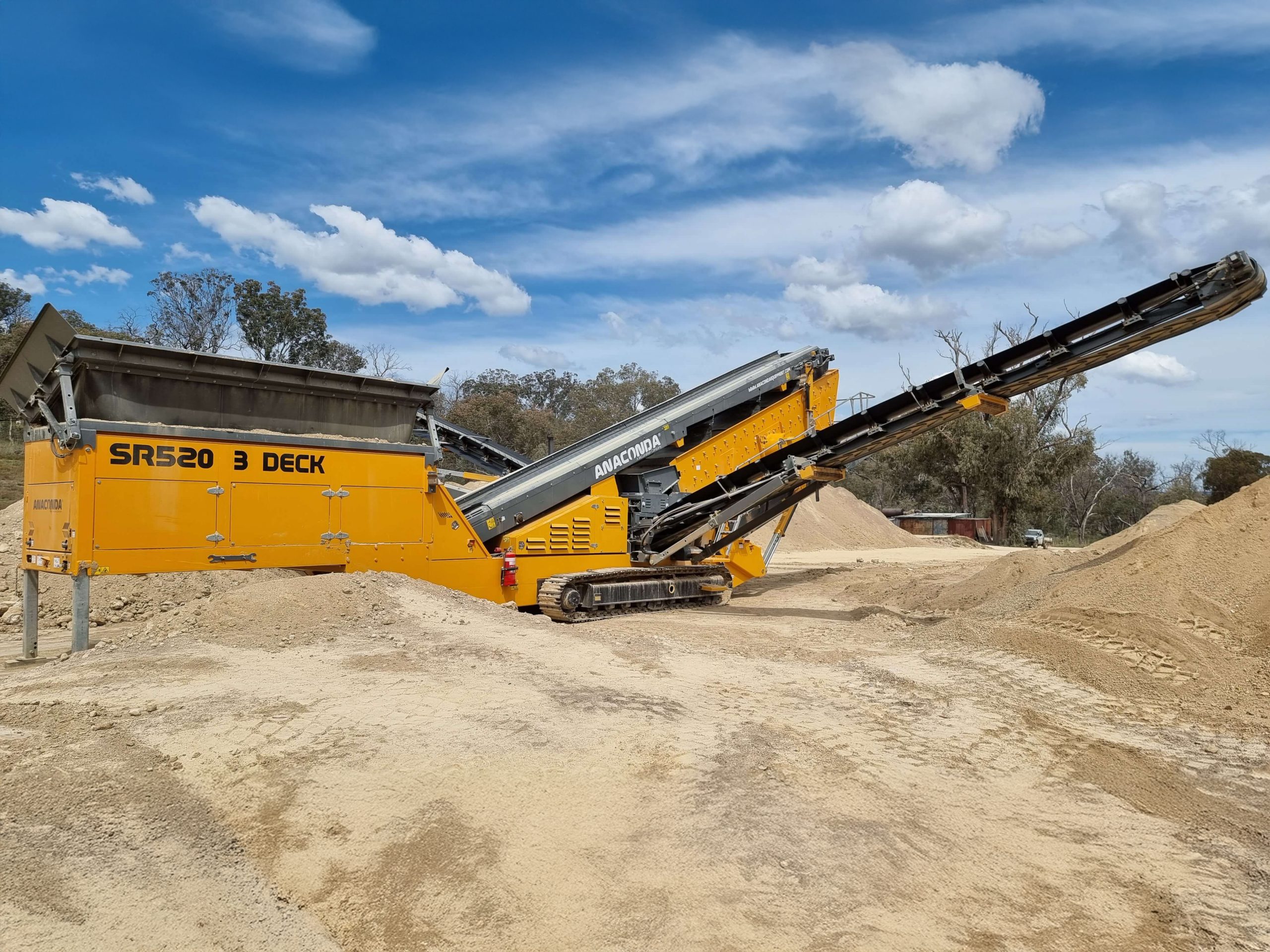
A popular choice for topsoil screening is the Finishing Screen. This type of screen focuses on small materials such as sand or aggregates and is perfect for topsoil screening where the grade of product required is very fine. The Finishing Screen is not suitable for large or oversize feeds and features a tipping grid over the feed hopper to prevent large materials from entering the screen. Finishing Screens can produce up to four products depending on application – fines, mids mids-oversize and oversize, allowing producers to make revenue on all streams and reduce waste to landfills.
Trommel Screens
The Trommel Screen is the most popular type of screen for organic material. By design the Trommel Screen utilises a rotating drum to push material down to the discharge end of the drum. During this process, the fine material falls through the screen apertures to create a stockpile of fines. Trommel Screens can be configured with different screen options including square mesh, punch plate mesh or even slot mesh.