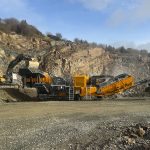
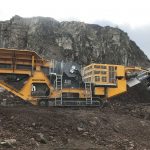
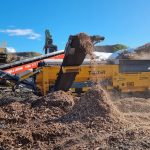
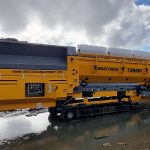
What is a Scalping Screen?
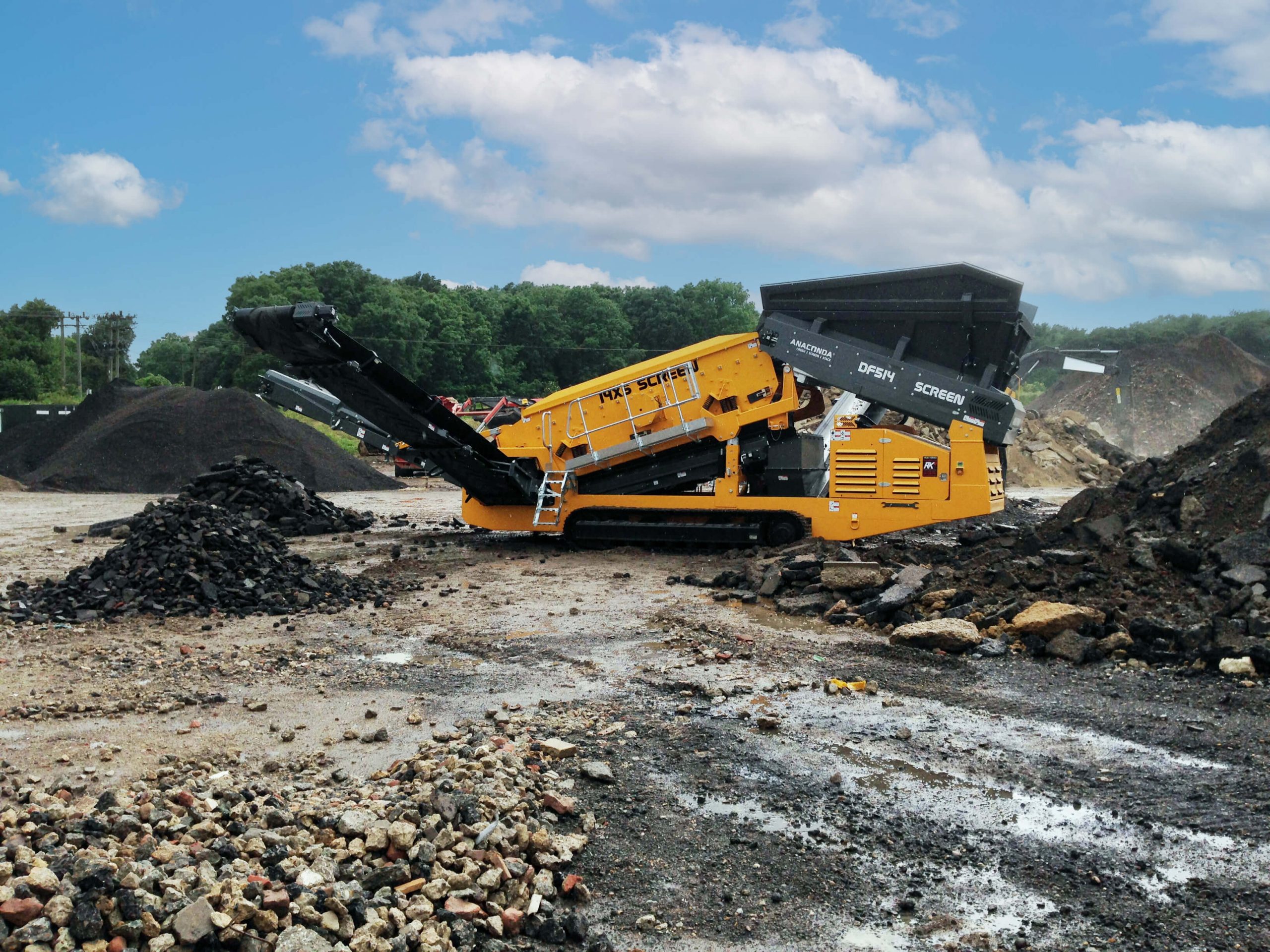
A Scalping Screen is a heavy-duty screen whose primary function is to separate out oversize material before downstream processing occurs. Oversize product can be directly fed into a crushing plant via a conveyor, eliminating the need for double handling.
The Scalping Screen can achieve up to three finished products and works well with sand, gravel, shot rock, soil, dirt, mulch, asphalt millings, aggregates and street sweepings.
Advantages of using a Scalping Screen
There are many advantages for using a Scalping Screen in your operation. These advantages include:
- Handling bulky materials
- Heavy duty design
- Versatile application
- Easy maintenance
- Quick setup/pack down time
Handling Bulky Materials
Scalping Screens are effective at screening out bulky feed material from fines. The design ensures effective separation without creating blockages in screen media or creating excessive wear. This is ideal for applications containing topsoil, compost, demolition waste and overburden.
Heavy Duty Design
The Scalping Screen has a robust design and has been developed for harsh environments with difficult site requirements. Featuring a reinforced frame and durable screen decks, Scalping Screens are built to process the toughest and most abrasive material.
Versatile Application
Scalping Screens are engineered to process a wide range of materials, making them a versatile option for primary screening in many industries. Built to process various feed types, moisture content and sizing requirements, the Scalping Screen is ideal for contractors or operators working across multiple sites or processing multiple product types.
Easy Maintenance
Downtime can be reduced due to the strategic location of access panels and walkways. This enables screen media checks, tensioning or part replacement to happen effectively and ensure operator safety.
Quick setup/pack down time
Track-mounted Scalping Screens eliminate the need for equipment with hydraulic jacks, reducing setup and pack down times, saving on maintenance costs and minimising hydraulic systems failures.
Challenges when using a Scalping Screen
Scalping Screens can also have their challenges depending on the required outcome. Some common challenges include:
- Screening Precision
- Wet or Sticky Feeds
- Constant Rate of Feed
Screening Precision
Scalping Screens are better suited to large, bulky material and scalping off oversize product. They are not suitable for fines and screening fine product.
Wet or Sticky Feeds
Scalping Screens can handle mixed material feeds with ease, but efficiency becomes a challenge when wet or sticky materials such as clay enter the feed. These materials can cause blinding and reduce the throughput of the screen as well as increasing maintenance time.
Constant Rate of Feed
Scalping Screens perform best with a constant flow of material – this is because an intermittent feed can cause irregular wear patterns and potentially reduce the quality of the end product.